iOS 27 Call Context: What the New Phone Feature Means for Agencies That Buy Leads
Apple set iOS 27 for September 14, 2026. Call Context puts confirmation codes on the call screen when someone dials a business. How P&C agencies that buy internet leads should use it.
The short answer
Apple set iOS 27 for general availability on September 14, 2026, alongside the new hardware from Surprise and Shine. Inside it is Call Context: when a person calls a business, the Phone app can put a confirmation code or reservation number on the call screen. If you buy internet leads, that changes the callback, not just the first dial.
This is not legal advice. It is a reading of Apple's Call Context description for agency owners watching answer rates.
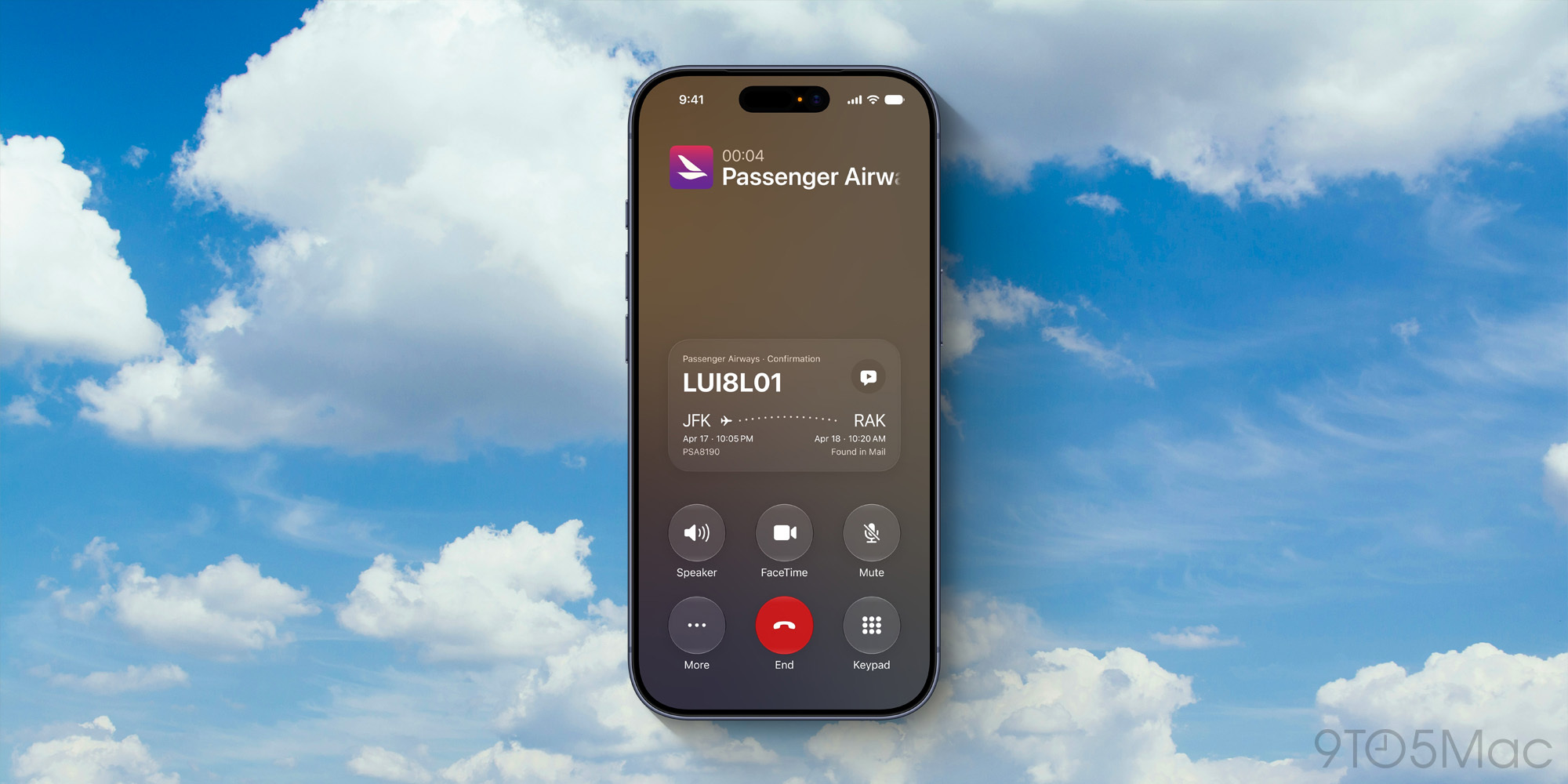
Call Context puts the confirmation code on the call screen and notes it was found in Mail. Image: 9to5Mac.
What Apple announced, and what GA means this week
Surprise and Shine is Apple's September hardware event. Alongside the new phones, Apple locked the iOS 27 public release for Monday, September 14, 2026. iOS 27 has been in beta since WWDC. Call Context is one of the Phone app features that ships with it.
Apple's own line is short. Call Context can proactively surface relevant information from across your apps when calling a business, like a confirmation code from Mail when you call an airline. It looks at who the user is calling, not what they are saying. It runs on the device. Nothing from that look-up is shared with Apple or anyone else.
English only at launch. Hardware limited to Apple Intelligence devices: iPhone 15 Pro and later, plus matching iPad, Mac, and Apple Watch models. A phone that can install iOS 27 is not enough. Without Apple Intelligence, Call Context stays off.
How Call Context works on a real call
Apple's demo (shown above, via 9to5Mac) shows the pattern: a business call, a confirmation code on screen, and a note that it was found in Mail.
The person dials a business. The Phone app recognizes the organization from the number. It checks information already on the device, starting with Mail, and can pull from Messages and other apps that expose content. If it finds a match, the confirmation code or reservation detail sits on the call screen. If several matches exist, they stack. The person can tap and have Siri read the number out loud.
That is the customer-service pattern Apple demoed: airline change, hotel reservation, order return. The person stops saying "one moment" while they dig through email on hold.
It is not a new dialer. It is not call recording. It is not a substitute for your CRM. It is a screen that makes the business side of a phone call less chaotic for the person who already has a code in their inbox.
What a P&C agency that buys leads should do with it
Your leads are not calling airlines. They are calling back the agency number that just rang them about a quote. Call Context fires on that inbound to the business, when the number is recognized and there is something useful on the phone.
Three moves, before September 14 finishes installing across your book:
Make the email look like a confirmation. If your quote or "we tried you" message has a clear lead ID, policy reference, or appointment time, Call Context has something to surface. A vague marketing blast has nothing to show. Write the outbound email as if the person will read the ID back to your producer on the callback.
Keep one branded number. Call Context matches who is being called. If your DID rotates every afternoon, or the screen says Spam Likely, the phone has a harder time treating you like a known business. Branded caller ID and a stable agency identity still matter for the first dial.
Speed still wins the first reach. Call Context helps the person who already has your email and is calling you back. It does not place the first dial when the form lands. That job is still speed to lead: live outreach in seconds, agency name on the screen, then a warm transfer to a licensed producer.
If you have a consumer app, Apple's path for third-party content is App Intents. Logistics, retail, and appointment apps can expose order and reservation entities so they can appear in system flows like this. Most independent P&C shops will win more from clean confirmation emails and a branded number than from a custom app sprint.
Where Entrovox fits
Entrovox AI places the first call when a lead form lands. It says it is AI. It does not quote. It does not bind. It keeps the person on and warm-transfers to the producer. That is the outbound half of the stack Call Context does not replace.
iOS 26 already pushed call screening. iOS 27 adds Call Context on the business call. Together they raise the bar on how a lead's phone treats an agency number. The scorecard is still the AI voice agent for insurance agencies page: first dial in seconds, branded caller ID, after-hours coverage, six follow-ups on leads you are working. Also related: the real-call screening transcript.
If you buy leads and want to hear a branded first dial on a form that just landed, text DEMO to (206) 809-9586.
Sources
- Apple description of Call Context (via WWDC coverage): surfaces confirmation or reservation details when calling a business; matches on who is called, not speech; on-device; not shared with Apple or third parties.
- iOS 27 public release: Monday, September 14, 2026, announced at Apple's Surprise and Shine event (Sep 9, 2026).
- Device and language limits from Apple Intelligence hardware lists and English-at-launch notes in 9to5Mac, Cult of Mac, MacRumors, and AppleMagazine coverage of iOS 27 Phone features.
- App Intents path for third-party appointment and order content, as described in developer-facing iOS 27 App Intents writeups.
- Call Context screenshot credit: 9to5Mac.